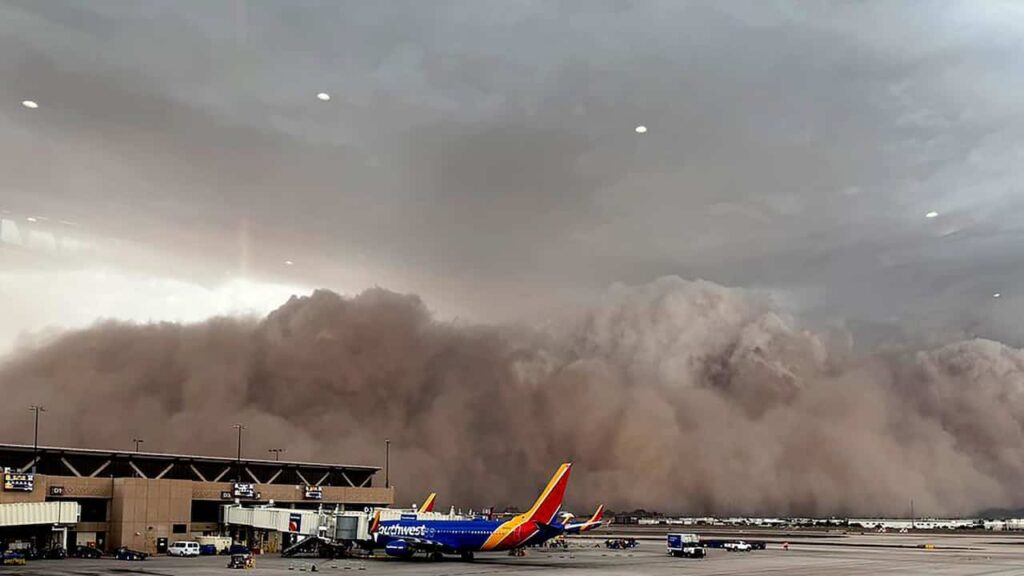

Arizona’s desert landscape is both breathtaking and unpredictable. Among its most fascinating and sometimes dangerous natural events are haboobs—massive dust storms that roll across the desert like towering walls of sand. Phoenix, the state’s largest metropolitan area, often experiences these dramatic weather events, which can bring life to a standstill in just minutes.
In this article, we’ll explore what haboobs are, why they occur in Arizona, their impact on daily life, safety tips, and how Phoenix residents prepare for them.
What Is a Haboob?
The word “haboob” originates from the Arabic word habb, meaning “to blow.” It was first used to describe similar dust storms in Sudan and the Sahara. In Arizona, the term is now widely used to refer to the intense dust walls that form during the monsoon season.
A haboob is created when a thunderstorm collapses, sending out a rush of cold air called a downdraft. This downdraft hits the ground and spreads outward, lifting dust and sand high into the air. The result is a fast-moving wall of dust that can rise thousands of feet and stretch for miles across the desert.
Why Does Phoenix Experience Haboobs?
Phoenix’s unique desert climate and geography make it a hot spot for haboobs. Several factors contribute:
-
Monsoon Season: From June to September, Arizona experiences monsoons. These storms bring heavy winds and sudden downpours, perfect conditions for haboobs.
-
Dry Soil: The Sonoran Desert’s loose, dry soil is easily picked up by strong winds.
-
Open Terrain: Flat desert landscapes allow dust to travel long distances without obstacles.
-
Rapid Thunderstorm Development: Intense summer heat builds large thunderclouds that collapse quickly, creating the downdrafts needed to kick up dust.
The Power and Impact of a Haboob
Visibility and Travel
One of the most dangerous aspects of a haboob is the sudden drop in visibility. Motorists can go from clear skies to zero visibility in seconds, leading to chain-reaction crashes. Phoenix freeways, like I-10 and Loop 202, often see closures during these storms.
Health Concerns
Dust storms carry fine particles that can irritate the eyes, throat, and lungs. People with asthma or respiratory conditions are especially vulnerable. Hospitals often see an uptick in patients during and after large dust events.
Property and Infrastructure
Haboobs can damage property by coating everything in layers of dust. Solar panels, air conditioning systems, and electronics often need cleaning or repairs. Outdoor events get canceled, and power outages sometimes occur due to downed lines.
Environmental Effects
While they cause disruption, haboobs are also a natural part of the desert ecosystem. Dust storms can transport nutrients, and in some cases, they even play a role in global weather patterns by moving particles across continents.
Memorable Haboobs in Phoenix History
-
July 5, 2011: One of the largest haboobs in recent history swept across Phoenix. The dust wall reached over 3,000 feet in height and stretched nearly 100 miles wide. Photos of the storm went viral worldwide.
-
August 2018: Another significant dust storm struck the metro area, causing multiple highway accidents and grounding flights at Phoenix Sky Harbor International Airport.
-
Summer 2021: Residents witnessed back-to-back haboobs that highlighted the intensity of Arizona’s monsoon season.
These storms serve as reminders of how powerful and unpredictable desert weather can be.
Safety Tips During a Haboob
If You’re Driving:
-
Pull Over Safely: If visibility drops, exit the road if possible, or pull as far off the highway as you can.
-
Turn Off Lights: Keep headlights, brake lights, and hazard lights off. Other drivers might mistake them for traffic lanes.
-
Stay Put: Remain inside your vehicle until the storm passes.
If You’re Indoors:
-
Close all windows and doors tightly.
-
Turn off air conditioning if it pulls outside air.
-
Avoid using electronics near open windows, as dust can cause damage.
For Health Protection:
-
Wear a mask or cover your nose and mouth with cloth if you’re caught outside.
-
Use protective glasses to shield eyes.
-
Stay hydrated, as dust and heat together can worsen dehydration.
How Phoenix Prepares for Dust Storms
The Arizona Department of Transportation (ADOT) and the National Weather Service (NWS) issue Dust Storm Warnings through the Wireless Emergency Alerts system. These alerts advise people to “Pull Aside, Stay Alive.”
Local airports, businesses, and schools often have dust storm protocols in place. Solar companies and homeowners also prepare by scheduling maintenance after big storms to ensure systems keep working efficiently.
Additionally, meteorologists and climate scientists are studying haboobs more closely to understand how climate change may be affecting their frequency and severity.
The Cultural Side of Haboobs
While haboobs are hazardous, they have also become part of Arizona’s identity. Many photographers and storm chasers eagerly document these colossal walls of dust, turning them into dramatic visuals that capture global attention. Social media often lights up with breathtaking images every time Phoenix is hit.
For residents, however, haboobs are not just photogenic—they are a reminder of the desert’s raw power. The storms serve as a cultural touchstone, often referenced in local news, art, and even conversations about resilience in desert living.
Looking Ahead: Haboobs and Climate Change
Scientists are closely monitoring how climate change might influence haboobs. With hotter summers and prolonged droughts, Arizona could see:
-
More frequent dust storms due to drier soils.
-
Larger storms fueled by intense thunderstorms.
-
Greater risks to public health and infrastructure.
Communities in Phoenix are being encouraged to invest in sustainable urban planning, stronger public safety campaigns, and improved air quality monitoring.
Conclusion
Haboobs are one of Arizona’s most striking natural phenomena. Towering walls of dust sweeping across Phoenix skies may look like scenes from an apocalyptic film, but they are part of the desert’s reality. While dangerous, these storms also highlight the delicate balance of life in the desert—where beauty and chaos often collide.
For residents and visitors, understanding what haboobs are, why they occur, and how to stay safe is essential. In the end, dust storms remind us of nature’s immense power and the need to respect the desert environment we live in.