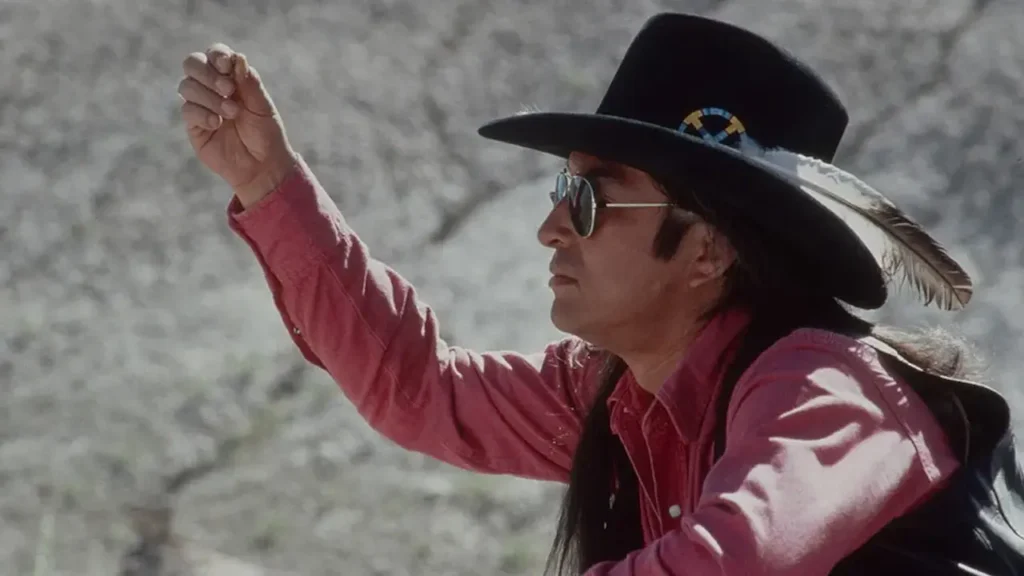

Graham Greene is a celebrated Canadian actor whose career has spanned over four decades across film, television, and stage. Known for his rich voice, dignified presence, and the ability to bring authenticity to every role, Greene has carved a niche as one of the most respected Indigenous actors in North America. From his breakout role in Dances with Wolves to numerous acclaimed performances in film and television, Greene has become a symbol of representation and storytelling for Native Canadian and Native American communities worldwide.
Early Life and Background
Graham Greene was born on June 22, 1952, in Ohsweken, Ontario, Canada, a community within the Six Nations Reserve. He belongs to the Oneida tribe, part of the Iroquois Confederacy. Growing up, Greene was exposed to both Indigenous traditions and mainstream Canadian culture, an experience that shaped his outlook on life and later influenced his acting career.
His early years were not particularly directed toward acting. Greene worked a variety of jobs before discovering his true calling. He spent time as a sound engineer for rock bands in Canada and the UK, which gave him insight into performance arts and the entertainment industry. Eventually, his passion for storytelling and performing led him to pursue acting as a profession.
Acting Education and Early Career
Greene enrolled in the Centre for Indigenous Theatre in Toronto and later studied at the prestigious Native Theatre School. These institutions were crucial in helping him hone his craft and prepare for a professional career in acting.
In the late 1970s and early 1980s, Greene began appearing in stage productions across Canada. His powerful presence and natural delivery soon caught the attention of casting directors. Early television appearances in Canadian productions laid the foundation for bigger opportunities.
Breakthrough Role in Dances with Wolves
Graham Greene’s career skyrocketed with his role as Kicking Bird, a wise and compassionate medicine man in Kevin Costner’s 1990 epic film Dances with Wolves. The film, a landmark in Hollywood’s portrayal of Native American culture, earned widespread acclaim and won multiple Academy Awards.
Greene’s performance stood out for its authenticity and emotional depth. His portrayal of Kicking Bird brought nuance to a role that could easily have been stereotyped, and it resonated with both audiences and critics.
For this role, Graham Greene was nominated for an Academy Award for Best Supporting Actor, making him one of the few Native North American actors to receive such recognition. This milestone opened doors to Hollywood and international cinema.
Film Career Highlights
After Dances with Wolves, Greene became a familiar face in Hollywood. His roles varied from wise mentors to gritty antagonists, showcasing his range as an actor.
Some of his notable film credits include:
-
Thunderheart (1992) – Greene played Walter Crow Horse, a witty tribal police officer assisting in a murder investigation on a South Dakota reservation.
-
The Green Mile (1999) – Greene portrayed Arlen Bitterbuck, a Native American prisoner with a touching backstory, in the acclaimed film adaptation of Stephen King’s novel.
-
Die Hard with a Vengeance (1995) – Greene played Detective Joe Lambert alongside Bruce Willis and Samuel L. Jackson in this action-packed blockbuster.
-
Maverick (1994) – He brought humor and charm to his role in the Western comedy starring Mel Gibson and Jodie Foster.
-
Wind River (2017) – Greene delivered a memorable performance as Ben, a reservation police chief in this chilling crime thriller.
Television Success
In addition to film, Greene has enjoyed significant success on television. His credits span both Canadian and American productions, demonstrating his versatility.
Some highlights include:
-
Northern Exposure – Greene made appearances in the popular comedy-drama series set in Alaska.
-
Defiance (2013–2015) – He played Rafe McCawley, a strong and principled mine owner, in this science-fiction drama.
-
Longmire – Greene appeared in recurring roles in the hit crime drama based on Craig Johnson’s novels.
-
American Gods – Greene played Whiskey Jack, a figure from Native mythology, bringing both gravitas and wit to the fantasy series.
His television career shows his ability to adapt to different genres—ranging from drama to science fiction—while remaining rooted in authentic cultural representation.
Contributions to Indigenous Representation
Beyond his personal achievements, Greene’s career has been significant in terms of representation. For decades, Indigenous actors were underrepresented or misrepresented in mainstream media. Greene has been at the forefront of changing that narrative by choosing roles that honor his heritage and by bringing depth to Indigenous characters.
Through his work, Greene has inspired younger generations of Native Canadian and Native American actors to pursue careers in film and television. His visibility in Hollywood has also encouraged filmmakers to create more authentic and respectful portrayals of Indigenous cultures.
Awards and Recognition
Over the years, Graham Greene has received numerous accolades for his contributions to cinema and television:
-
Academy Award nomination (1991) – Best Supporting Actor for Dances with Wolves.
-
Gemini Award (1994) – Recognized for his performance in Canadian television.
-
Indspire Award – Honoring Indigenous professionals making a difference in their fields.
-
Order of Canada (2015) – One of the highest civilian honors in Canada, recognizing his service and contributions to Canadian culture and Indigenous representation.
Personal Life
Greene is known for keeping his personal life relatively private. He is married to Hilary Blackmore, and the couple has shared a quiet life away from Hollywood’s spotlight. Despite his fame, Greene remains deeply connected to his Indigenous roots and continues to support Indigenous causes, culture, and education.
Legacy and Impact
Today, Graham Greene stands as one of the most respected Indigenous actors in the entertainment industry. His journey from the Six Nations Reserve to the red carpets of Hollywood symbolizes resilience, talent, and the power of representation.
By breaking barriers and earning recognition in both Canada and the United States, Greene has paved the way for other Indigenous actors to follow in his footsteps. His body of work continues to be studied and admired by aspiring performers, film enthusiasts, and cultural historians.
Conclusion
Graham Greene’s career is more than just a story of acting success—it is a story of cultural pride, perseverance, and breaking boundaries. With his commanding presence, Greene has given voice to Indigenous stories while excelling across genres in film and television.
As Hollywood continues to evolve toward inclusivity and authentic storytelling, Graham Greene’s legacy remains a guiding light. For audiences worldwide, he will always be remembered as the actor who combined talent with purpose, transforming the way Indigenous characters are represented on screen.